Dog Waste Health Risks: What Every Owner Should Know in 2026
Dog waste health risks are easy to ignore until someone in the family gets sick. A single gram of dog feces can hold millions of bacteria along with parasite eggs that survive in soil for months. Understanding these dog waste health risks, and the simple habits that neutralize them, is one of the most practical things a pet owner can do for a healthy household. This 2026 guide explains the real dangers, who is most vulnerable, and how to clean up safely.
The good news is that prevention is cheap and fast. A short daily routine with the right tools removes nearly all of the risk before it reaches your family or your soil.
The Main Dog Waste Health Risks
Dog feces can transmit several zoonotic organisms, meaning they pass from animals to people. The U.S. Centers for Disease Control and Prevention highlights parasites and bacteria commonly linked to pet waste. Knowing the names helps you take them seriously.
- Roundworms: Eggs can survive in soil for years and cause illness in children.
- Hookworms: Larvae can penetrate bare skin on contaminated ground.
- Giardia: A protozoan that causes digestive illness in people and pets.
- Salmonella and E. coli: Bacteria that spread through contact with feces.
- Tapeworms: Often linked to fleas associated with infected animals.
Who faces the highest risk
Young children, who play close to the ground and touch their mouths often, are most exposed. Pregnant people, older adults, and anyone with a weakened immune system also face higher stakes if infection occurs.
How Contamination Spreads Around the Home
Waste rarely stays where the dog leaves it. Rain, shoes, paws, and lawn mowers all move contamination around. That is why leaving even a few piles for “later” can seed a whole yard with parasite eggs.
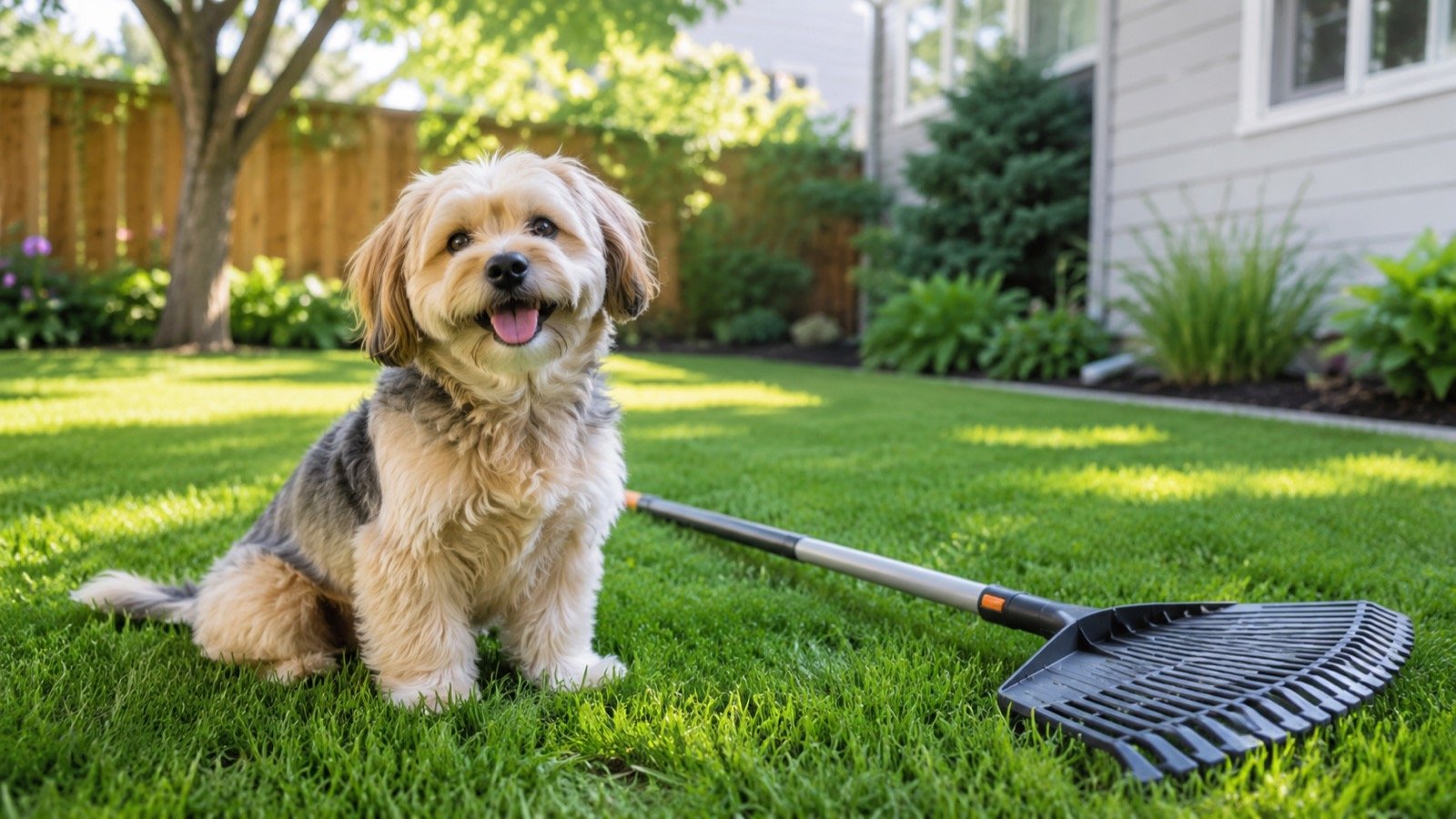
The simplest interruption is prompt removal. A long-handled Pooper scooper lets you lift waste cleanly without touching it or the surrounding soil, which keeps eggs and bacteria from spreading underfoot.
Safe Cleanup: A Step-by-Step Routine
Handling waste safely is mostly about never touching it and sealing it well. Follow this order to protect yourself every time.
- Wear gloves if you expect direct contact.
- Scoop promptly so waste never sits and spreads.
- Double-bag in tough bags that resist punctures and leaks.
- Seal tightly and place the bag in a covered bin.
- Wash your hands thoroughly, even if you wore gloves.
Containment is where bag quality matters most. Sealing waste in heavy duty garbage bags stops leaks that would otherwise contaminate your bin, your hands, and your trash area.
A practical tip for families with kids
Create a “scoop-first” rule before any backyard play. A two-minute sweep with a scooper and bag before the kids go out dramatically lowers the chance of contact with fresh or hidden waste.
Risk vs Prevention at a Glance
| Hazard | How It Spreads | Simple Prevention |
|---|---|---|
| Roundworm eggs | Contaminated soil, hands | Daily scooping, handwashing |
| Hookworm larvae | Bare skin on soil | Prompt removal, shoes on |
| Giardia | Fecal-oral contact | Fast pickup, hygiene |
| Bacteria (E. coli) | Direct contact, runoff | Sealed bags, covered bin |
Protecting Your Pet’s Health Too
Clean-up protects dogs as well as people. The American Veterinary Medical Association recommends routine parasite prevention and prompt waste removal to break reinfection cycles. Dogs that sniff and re-ingest contaminated ground can catch the same parasites again, so a clean yard supports your vet’s deworming plan.
When Cleanup Falls Behind
If illness, travel, or a demanding schedule keeps you from daily pickup, scheduled help from reputable service experts can keep the yard safe. Pair that with your own scooper and bags for day-to-day coverage, and the health risks stay under control.
Teaching the Whole Family Safe Habits
Reducing dog waste health risks is a household effort, not a one-person job. Children, in particular, benefit from simple rules they can actually follow. The goal is to make safe behavior automatic rather than something anyone has to think about.
Begin with handwashing. Teach kids to wash after any outdoor play, not just after touching the dog, because parasite eggs live in soil and on grass. Keep soap accessible and make the habit part of coming back inside.
- Shoes stay on outside so bare skin never contacts contaminated ground.
- No play before the scoop clears any fresh or hidden waste.
- Hands washed on entry every time, with no exceptions.
- Dog paws wiped after walks to limit tracked-in contamination.
Timing matters as much as technique. Roundworm eggs, for example, need days to weeks in the environment before they become infectious, which means daily removal interrupts the cycle before the risk peaks. That single fact is why consistency beats intensity: a quick scoop every day protects your family far more than an occasional deep clean.
Finally, coordinate with your veterinarian. Routine deworming and fecal testing catch infections in your dog before they seed the yard, and a clean yard keeps your dog from reinfecting itself. The two efforts reinforce each other, so treat parasite prevention and waste cleanup as a single, connected health routine rather than separate tasks you handle in isolation.
Frequently Asked Questions
Can dog waste really make my family sick?
Yes. Dog waste can carry roundworms, hookworms, giardia, and bacteria such as E. coli and salmonella. Children and immune-compromised people face the highest risk, which is why prompt, hygienic cleanup matters.
How long do parasite eggs survive in soil?
Some, like roundworm eggs, can remain infectious in soil for months or even years. Removing waste daily prevents eggs from being deposited and spreading across your yard in the first place.
Is it safe to leave dog waste to decompose naturally?
No. Unlike some animal manures, dog waste is not a safe fertilizer and does not break down harmlessly. It can contaminate soil and water, so it should be bagged and disposed of in the trash.
Do I need special bags for dog waste?
Strong, leak-resistant bags are important. Heavy-duty bags prevent punctures and spills that would otherwise spread bacteria to your hands, bin, and trash area during disposal.
Recognizing When to See a Doctor or Vet
Awareness closes the loop on prevention. If a family member develops unexplained digestive illness, a persistent cough, or an itchy skin rash after contact with soil, mention pet exposure to your doctor, since those can signal parasite infection. On the animal side, watch your dog for visible worms, diarrhea, or weight loss and schedule a fecal test. Catching an infection early, in either people or pets, keeps a small problem from spreading through the household and reinforces every cleanup habit you have built.
Conclusion
The dog waste health risks in your own backyard are real, but they are also easy to prevent. Scoop promptly with a proper tool, seal waste in strong bags, dispose of it correctly, and wash your hands, and you remove nearly all the danger to your family and pets. In 2026, a two-minute daily habit is the simplest health investment any dog owner can make.